







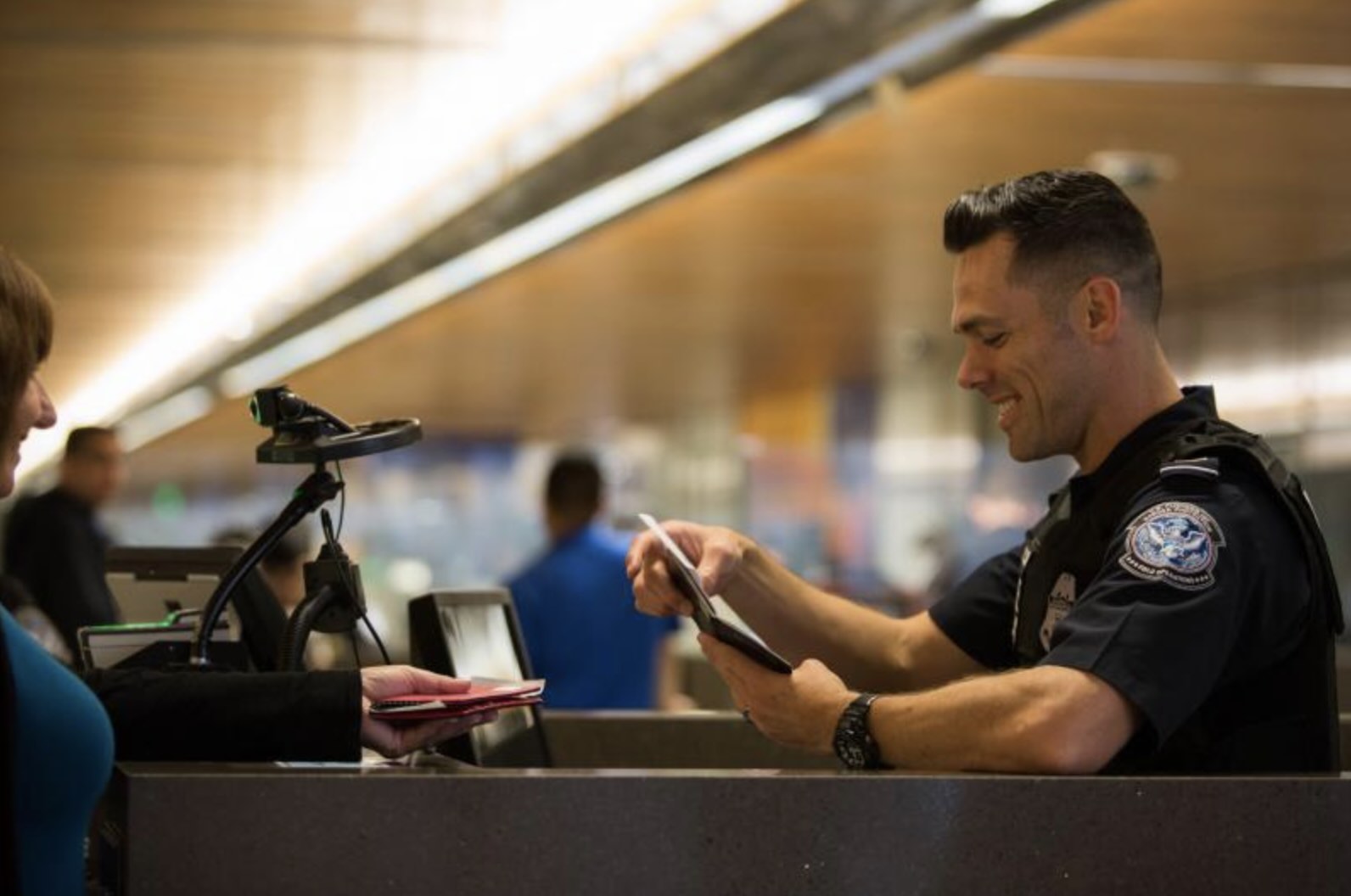


A U.S. citizen returning through Atlanta allegedly gave customs officers a “duress passcode” that wiped his Android phone instead of unlocking it. Federal prosecutors now say that act amounted to obstruction of justice, raising a fascinating and consequential question for international travelers: how far can you go to protect your digital privacy at the border?
A traveler is stopped at the border and pressured to unlock his phone. Instead of providing the real passcode, he supplies a secondary code that quietly erases everything on the device.
But this is not fiction.
A great solo travel tip spotted this week on Live and Let's Fly.


