




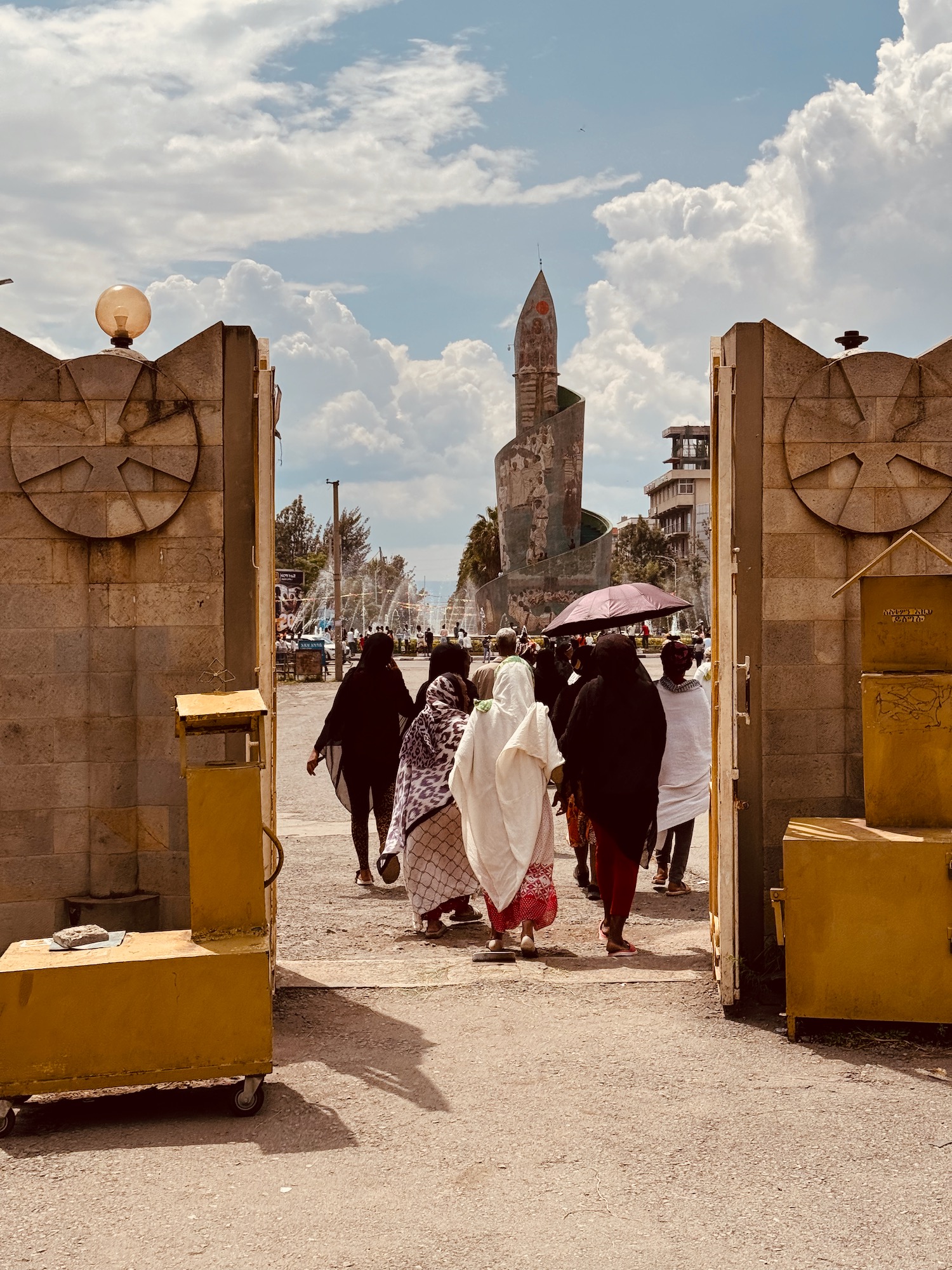


I’ve written about my hotel in Hawassa and the great coffee in town, but here I want to share some more photos of my time in Hawassa.
Hawassa, Ethiopia: A Photo Essay
Hawassa, once a quiet lakeside settlement on Lake Hawassa, began to transform under Haile Selassie’s development plans in the late 1950s. The emperor ordered construction of a seasonal palace by the lake in 1958, which drew newcomers and gradually turned the area into an important urban center. Over time, Hawassa became a regional hub with growing industries, markets, and a diverse community that reflects its role as a gateway to southern Ethiopia. Today, it serves as the capital of the Sidama Region and remains a city defined by its lake, its culture, and its rapid growth.
You will often see the city’s name spelled as both Hawassa and Awassa. The difference stems from transliteration. “Awassa” reflects the original Amharic pronunciation (አዋሳ), while “Hawassa” represents a more standardized and recently adopted spelling. Both remain common, and you will still encounter the older spelling in older texts and on local signage (plus on Ethiopian Airlines).
Religion plays a central role in Ethiopian identity. In the north, ancient Orthodox Christian traditions dominate, rooted in a history that stretches back to the fourth century and expressed in rock-hewn churches, fasting cycles, and a liturgical life that shapes everyday routines. In other parts of the country, Islam has long been established through trade routes from the Arabian Peninsula, while Protestant movements have grown rapidly in the last century and now represent a strong force in culture and politics. Faith is not a private matter in Ethiopia. It is visible in public, audible in worship, and woven into family, food, and community.
A great solo travel tip spotted this week on Live and Let's Fly.


