





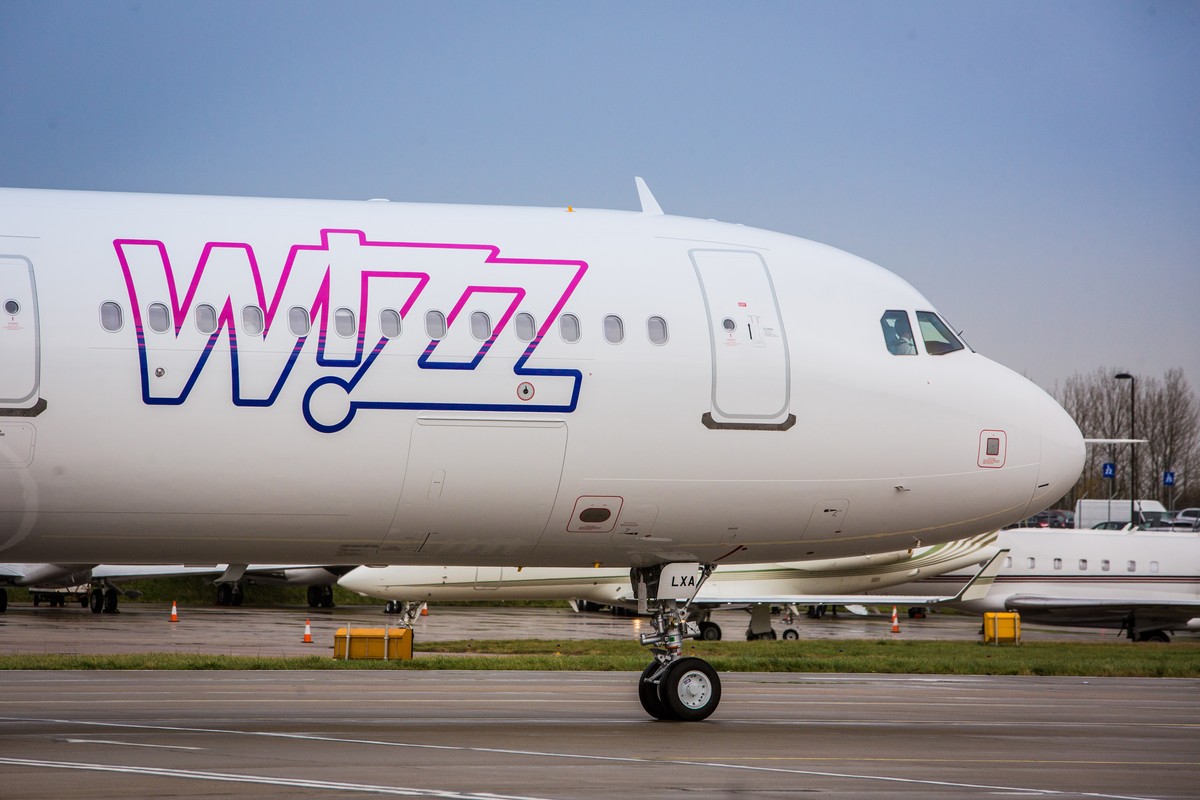
Boeing and Wizz Air are betting your next flight runs on treated sewage, and they’re further along than you’d guess.

Traditionally, sustainable aviation fuel involve used cooking oil or corn byproducts. Firefly’s feedstock is human sewage sludge, or “solid waste” as it’s known in the industry. If successful, this could be a far more likely source of sustainable fuels due to its widespread availability. But, pardon me, if I am doubtful.
I have written before about how United became the first airline to fly a passenger jet on 100% sustainable aviation fuel, and about how United separately went looking for taxpayer support to help pay for SAF. Both of those stories involved fuel made from conventional feedstocks and government subsidy asks. Firefly’s pitch is different, a waste stream nobody else wants, funded by private airline capital instead of a taxpayer ask, available in every city, though refining would happen in a more centralized area.
A great solo travel tip spotted this week on Live and Let's Fly.


