







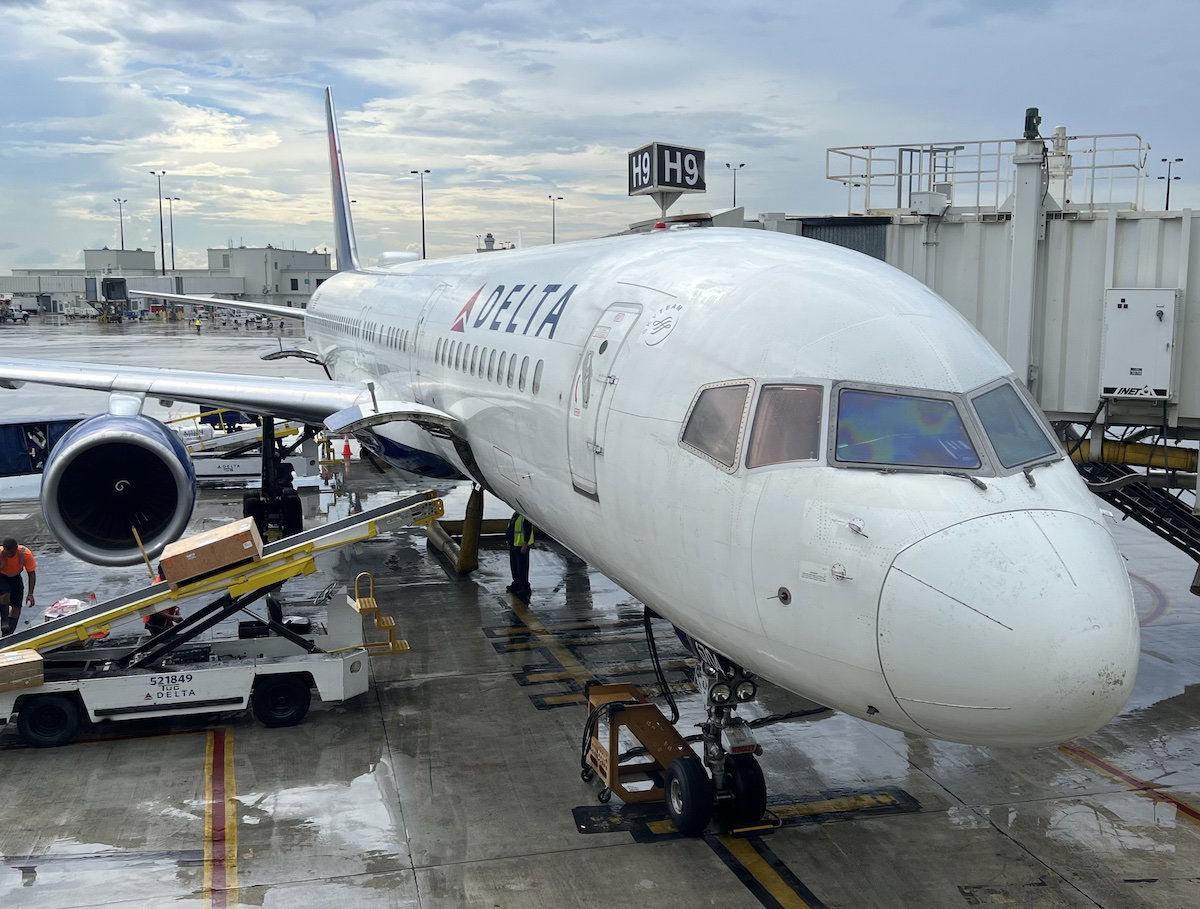


Inflight connectivity has come a long way over the years. Going back just a few years, Viasat was considered the gold standard of inflight connectivity, while nowadays Starlink is stealing the show.
The issue with Viasat is twofold — not only have expectations of internet speeds evolved, but on top of that, there’s only so much total bandwidth, and as more and more airlines add the service (and as other airlines make it free for passengers, increasing usage), it slows things down for everyone.
So there’s a pretty exciting development, as in the coming weeks we should see the biggest boost to Viasat Wi-Fi that we’ve seen in years, and passengers on American, Delta, and JetBlue, among others, will definitely notice.
In this post:
As you’d expect, there’s quite a bit that has to happen before these can go live, including getting regulatory approval. Viasat-3 Flight 2 covers the Americas, while Flight 3 covers Asia-Pacific, and the Americas version should enter service in August 2026. We can expect network capacity to more than double with these upgrades, adding over one terabit per second of capacity.
So while the maximum speeds won’t necessarily improve, you can expect that during busy periods, users will be able to more reliably get decent speeds.

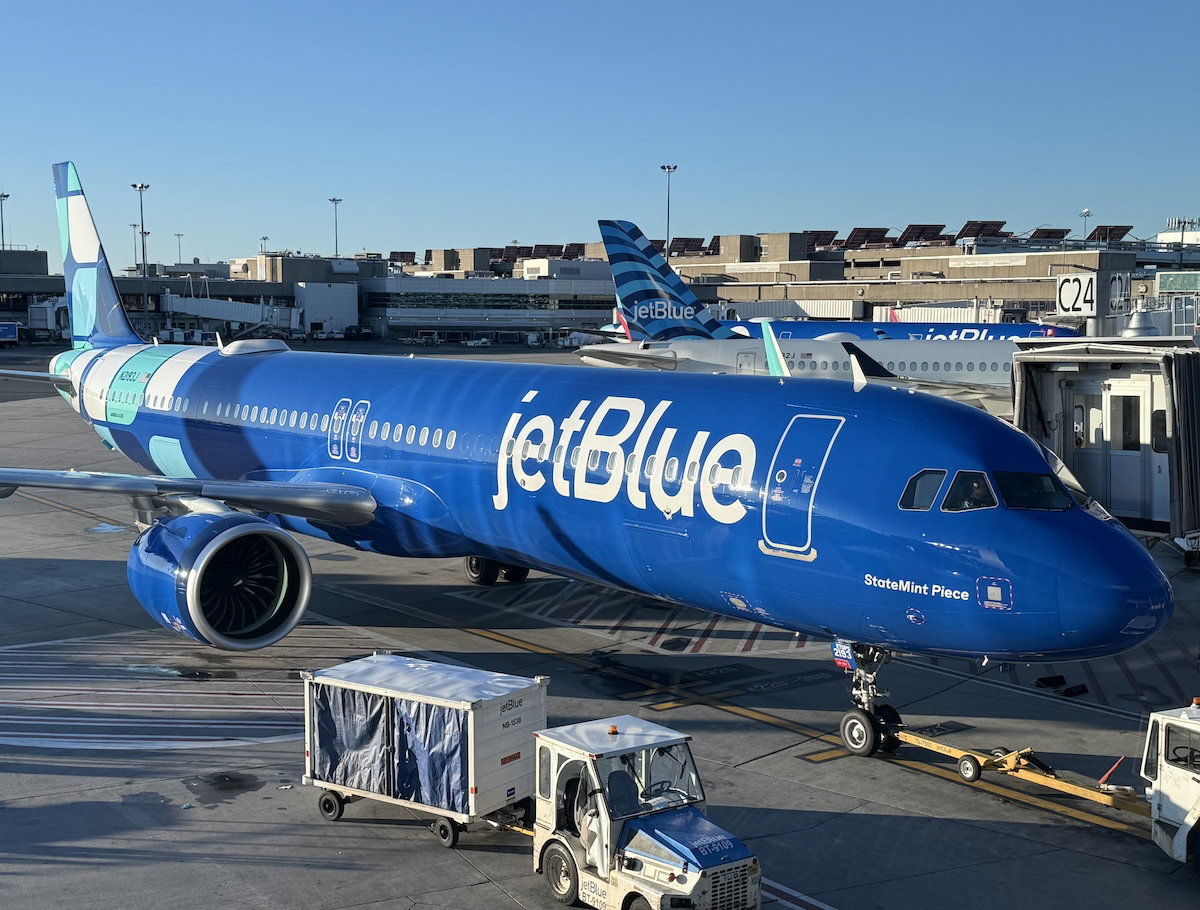
This is great news for American, Delta, and JetBlue
American, Delta, and JetBlue, are the three US carriers that have the largest number of aircraft with Viasat Wi-Fi. All three airlines offer free Wi-Fi on Viasat aircraft, so to cover the basics:
A great solo travel tip spotted this week on One Mile at a Time.


Your source for the travel news. This is crafted specifically to exhibit the use of the theme as a travel site.
Related Posts


