







United and Virgin have the numbers to prove Starlink works for business travelers. Now they have to translate that to revenue.
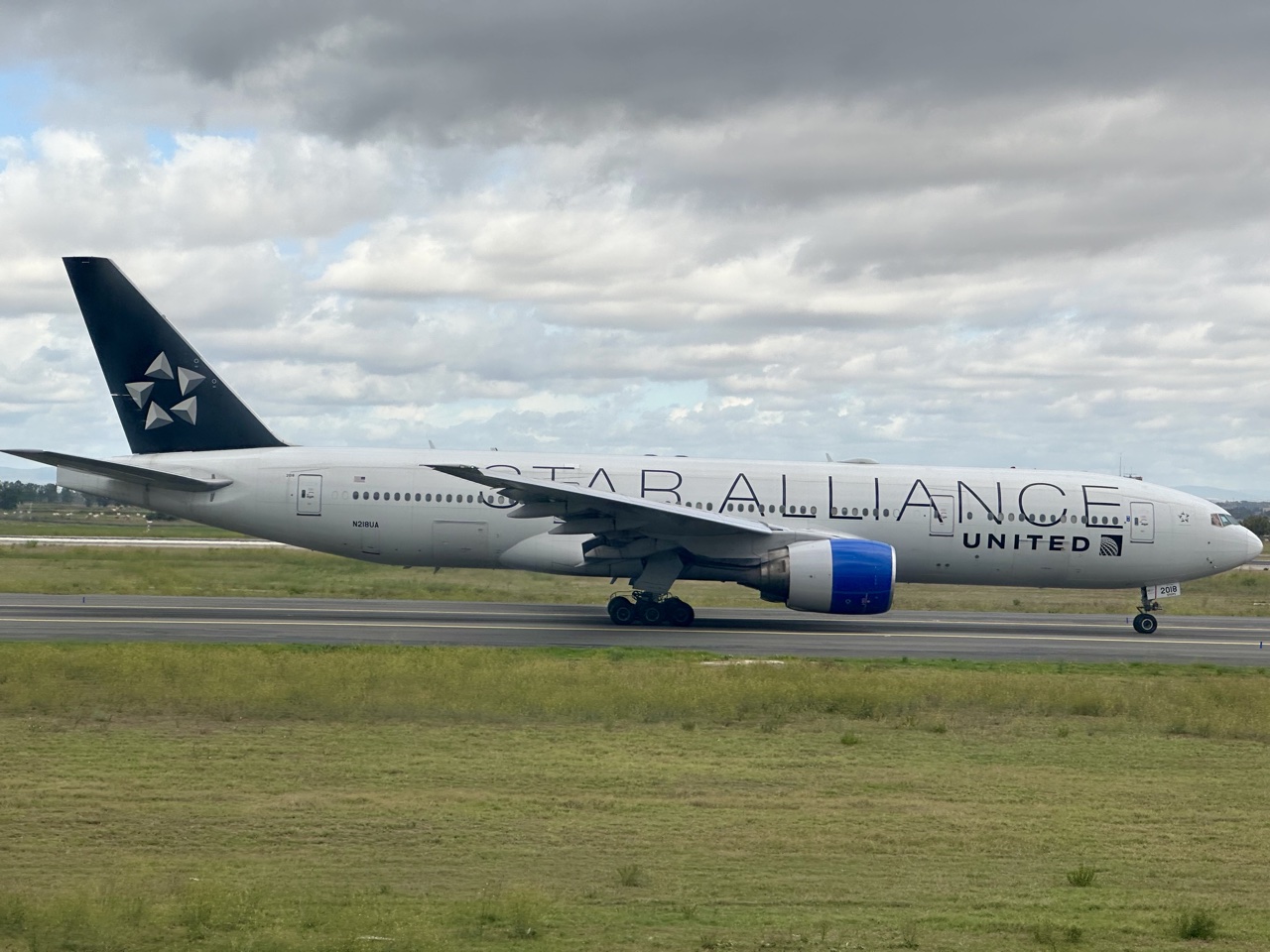

The engineering behind the categorically better performance, according to experts, is speed and latency carries more of that performance load. United’s digital technology team puts round trip times on Starlink flights in the 20 to 40 millisecond range, against roughly 2,000 milliseconds for geostationary satellites sitting far higher above the earth. That is the difference between a useful connection and a connection that gives up on you before you can get anything done. Download speeds have been reported as high as 250 mbps (for context, home internet often starts at 100 mbps, though some plans offer gigabit service on fiber products in limited areas.) But it’s also the high speed uploads that make Starlink’s particular brand of low earth orbit satellite internet service successful. Upload speeds are often the best in the industry and it’s not close.
Notably, I found some conflicts with the Inc. story. By pure coincidence, I too, was recently on a Virgin Atlantic flight between Orlando and Manchester, England. Our own NPS was lower because the business class product is a relic (though there remain some charming aspects) and the wifi was not, in fact, included on our flight as the Inc. writer found.
A great solo travel tip spotted this week on Live and Let's Fly.


