






The Supreme Court struck down Trump’s tariffs, but the US travel slump runs deeper than trade policy. Will the ruling actually change anything?

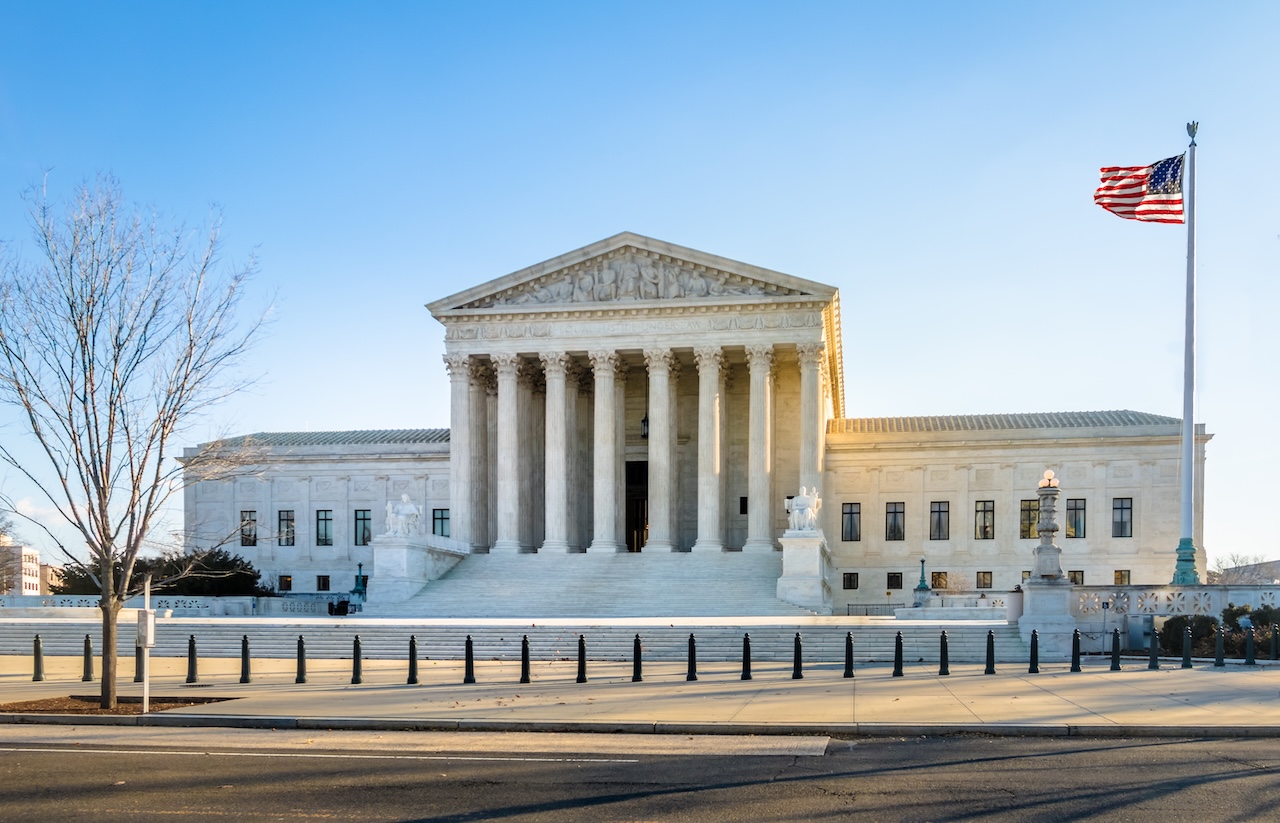
Friday was a big day in American legal history. The Supreme Court ruled 6-3 in Learning Resources Inc. v. Trump that President Donald Trump’s sweeping tariff program, built on the International Emergency Economic Powers Act of 1977, was unconstitutional. Chief Justice John Roberts wrote that IEEPA “does not authorize the President to impose tariffs,” noting that no president had ever used the law this way before Trump, and that “extraordinary” executive power requires clear congressional authorization. The ruling strikes down the country-by-country “reciprocal” tariffs, which ranged from 34% on Chinese goods to a 10% baseline for the rest of the world. With $160 billion in tariff revenue collected since the policy began and a potential refund burden the Penn Wharton Budget Model estimates at $175 billion, the economic stakes are genuinely enormous.
This was, in part, the reason many traveler gave for passing on trips to the United States.
The Trump Administration’s trade deals had a stated effort of resolving the US’ nearly trillion-dollar trade deficit by making it more expensive for foreign entities to to sell goods cheaper than American equivalents. As a result of increased cost for foreign goods, the tactic was meant to encourage US companies to invest locally alongside foreign partners seeking access to the US market which accounts for 25-26% of the entire global economy.
A great solo travel tip spotted this week on Live and Let's Fly.


